

Socialist Realism
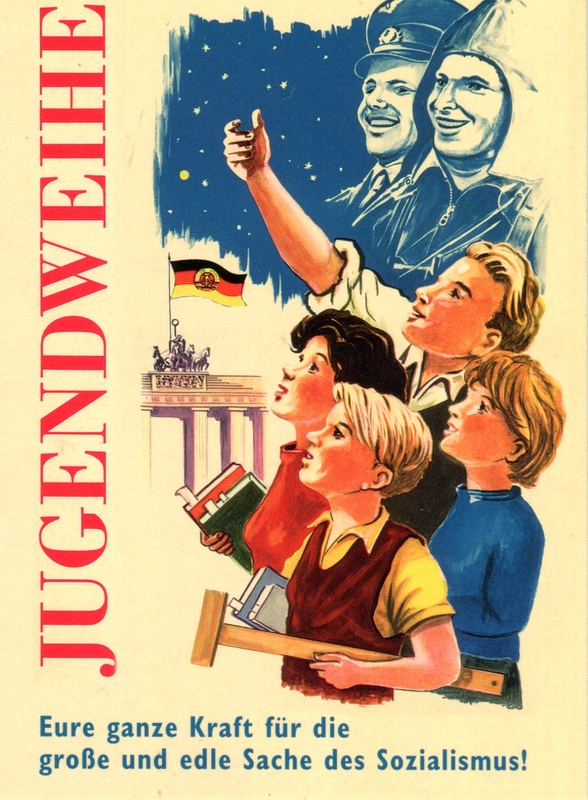
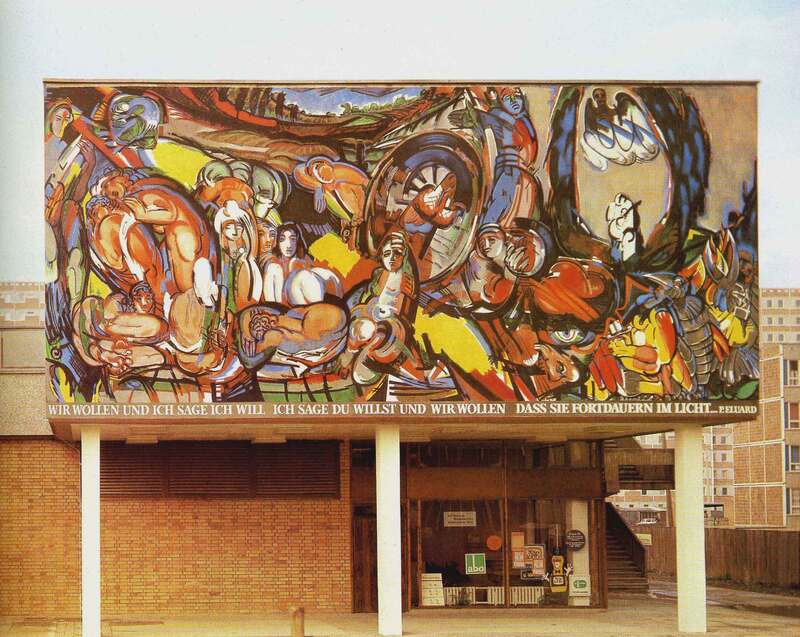
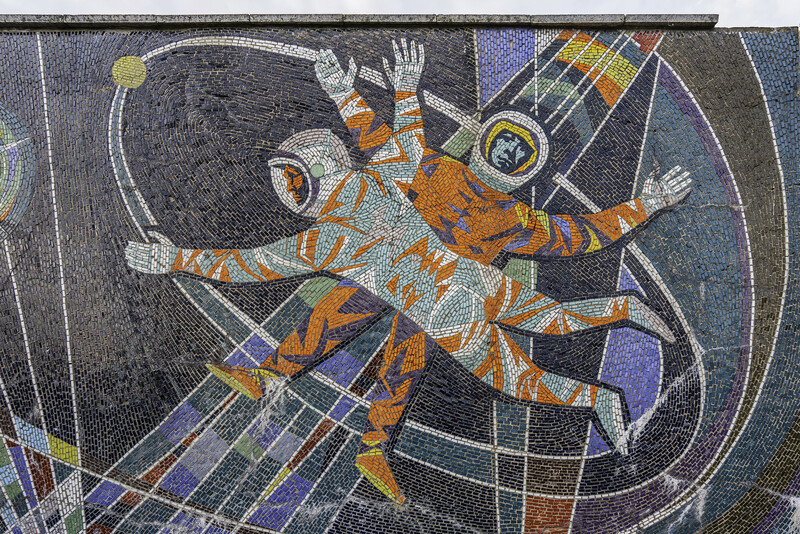

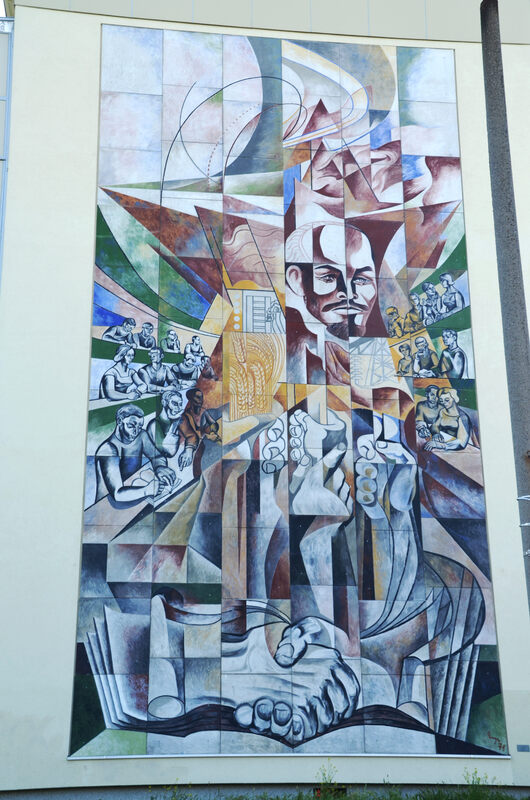
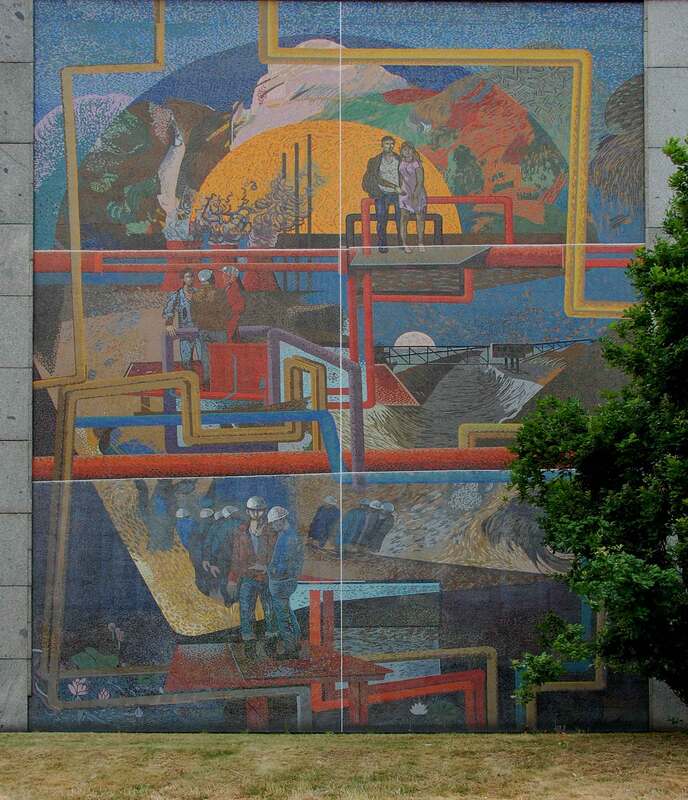

Socialist realism originated in the Soviet Union. In 1932, Soviet artistic principles for socialist realism required that art meet four requirements. It must be proletarian, meaning relevant and understandable to the workers. It must depict typical scenes of people's everyday lives. It must provide realistic representations, as opposed to abstract or non-figurative. Finally, it must be partisan and support the ideals and goals of the State and the Party.
The Soviet influence is strongest in East German propaganda posters made before 1960. Ultimately, socialist realism rejected the idea of art and artists' autonomy. Instead, art and artists served ideological purposes, representing Communist party values and the everyday lives and interests of average people.
In the GDR, socialist realism reflected Communist ideals like glorifying workers, farmers, and unity. In addition, East German socialist realism combined political themes with naturism and secular humanism. Socialist realist artists in the GDR envisioned socialism in harmony with and in the context of the greater environment.
In the 1960s, the scientific-technical revolution inspired an expanded approved version of socialist realism that reflected the GDR's colorful consumer culture and human achievements such as space travel. In addition, in 1967, Walter Ulbricht declared that socialist people have reached greater cultural maturity and thus were able to comprehend more complex forms of art, as compared to the West.
After 1990, socialist realist public art was dismissed for its political themes and use of applied arts. However, these positions have been reconsidered over the past 15 years.
Please visit Themes to see examples of recurring motifs in East German socialist realist public art and their meanings.